

By 2030, Morocco aims to achieve a waste recovery rate of between 25% and 30%, » said Soufiane Jakani, Managing Director of Suez Maroc, at the opening of a round table organized at the École Centrale in Casablanca. Industrialists and institutions were present on November 25 to exchange views on the circular economy, a sustainable model focusing on keeping products and materials in use for as long as possible. This concept has become an imperative for national sovereignty.
« Resource scarcity, » « sovereignty, » and « waste reuse » – these are just some of the terms that are making their way into the media, giving rise to the idea that it is now necessary to mobilize domestic resources, including waste, in order to tackle the climate emergency. Abdellatif Maâzouz, President of the Casablanca-Settat Regional Council, notes that while Morocco’s green policy efforts are already « considerable » and cost-competitive, waste recycling is not yet a priority.
Waste recovery at 9 percent
Mehdi Tazi, General Vice-President of the General Confederation of Moroccan Enterprises (CGEM), puts Morocco’s efforts in the field of waste recovery in context, pointing out that there is still a long way to go. He mentions nearly 30 million tonnes (Mt) of waste collected per year, of which only 9% is recycled, while Turkiye recycles 30% and Spain 35%.
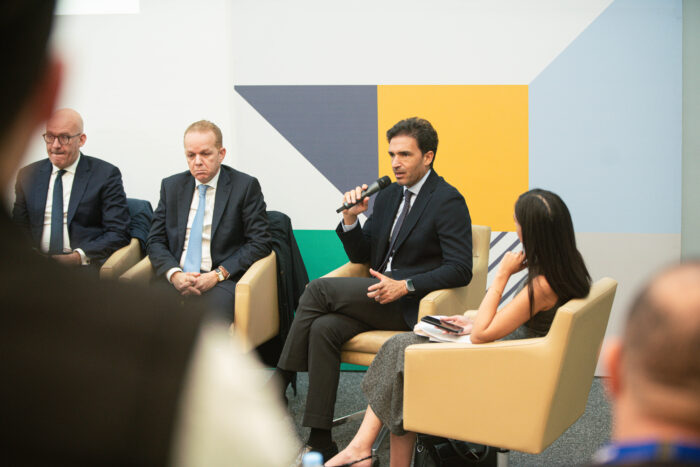
If an additional 1% of waste were recycled, i.e. almost 300,000 tonnes, « there would already be 52,000 fewer waste collection truck journeys, at least that could be recycled in a different way », says Tazi. For, in addition to the virtuous necessity of recycling, he points to the creation of a circular economy industry, « which will generate jobs and added value locally. »
The challenge then lies in the ability to transform environmental constraints into a lever for competitiveness, innovation and attractiveness, sums up Soufiane Jakani. But Morocco is not starting from scratch. For their part, manufacturers have not waited for circulars to set up operations to minimize waste loss and maximize the use of certain materials.
The automotive industry
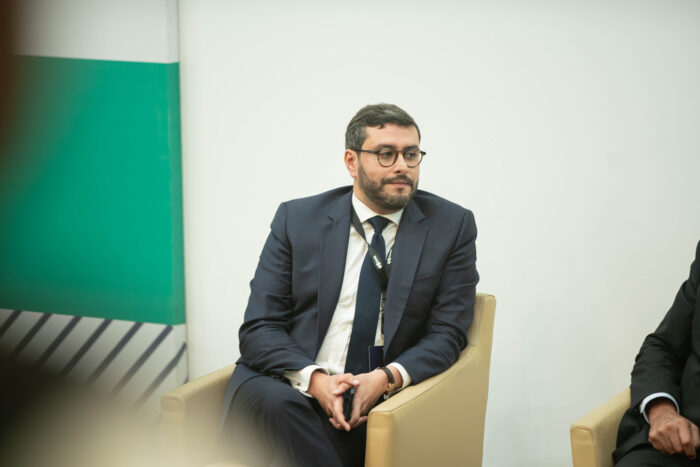
Mohamed Bachiri, head of Renault Group Morocco, spoke of the processes implemented at the group’s Somaca plant in Tangiers to optimize the reuse of materials. Some of the plant’s scrap metal is sold to Maghreb Steel, a Casablanca-based company, which then makes sheet metal coils for reuse by the Renault plant in its stamping operations.
Bachiri also discusses the plant’s energy-hungry paint department, for which an industrial boiler has been installed. The boiler, which is needed to produce steam for the painting process, accounts for 30% of the plant’s total energy consumption, and is powered by biomass combustion from pomace – olive waste – collected from cooperatives through the national collection scheme. For this same department, Bachiri explains that the plant reuses almost 100% of industrial waste water, saving 900 m3 of water every day.
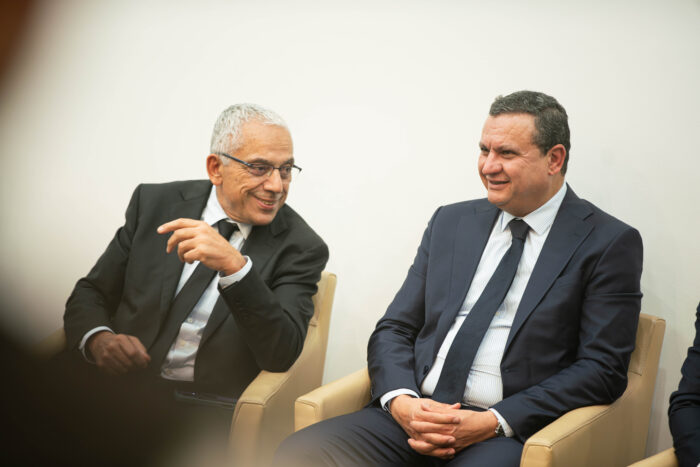
According to Bachiri, the future challenges concern raw materials, and why not copper? « For each car, nearly two kilometers of cable are used, in which there is a copper wire. And this wire is very expensive », he explains, proposing to collect all these wires from end-of-life vehicles, so that they can be reused. He goes even further, proposing the launch of a broader business model, based on the Kingdom’s copper mines, which would strengthen the Moroccan cabling ecosystem, already one of the largest in the world, he notes.
An industrial symbiosis
For its part, Alstom Maroc was unable to do the same. Morocco’s rail ecosystem is still modest compared with the automotive sector, which remains the kingdom’s leading export subsidiary. However, Mehdi Sahel, Managing Director of Alstom Maroc, mentions that 300 tonnes of waste per year are recycled at the group’s Fassi plant.
Environmental constraints are nothing new for these manufacturers. The Alstom and Renault groups, being French manufacturers, maintain close ties with Europe, which has always supported their actions in green processes. The manufacturers point to the demands of European customers, as well as financial backers, in terms of green policy.
For its part, Morocco would benefit from mobilizing its companies and creating an « industrial symbiosis « , along the lines of the commercial relationship between Maghreb Steel and Renault. Lawyer Mohamed Oulkhouir, a guest at the round table, spoke of the need to move away from the idea that companies are independent, competitors, so that they can work together, while mentioning the action of the Antitrust Council, which helps to avoid problems of exclusivity and market foreclosure. Despite this, he points to the absence of a sophisticated and elaborate regulatory framework for waste recovery.
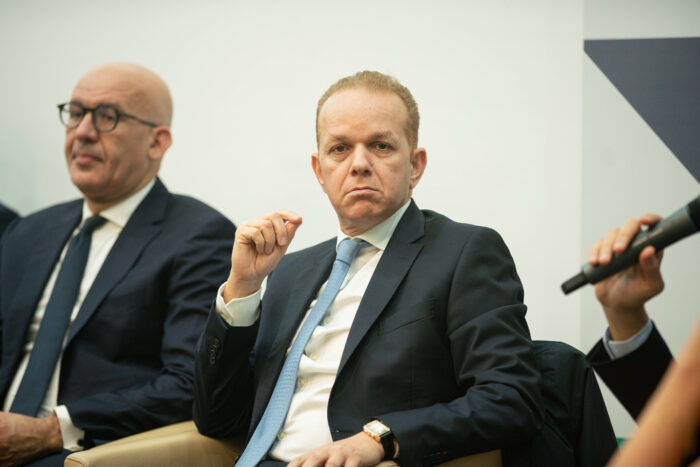
Mehdi Sahel also speaks of the need for regulations in Morocco for his industry. « For these regulations to be applied in the rail sector, decision-makers, operators and countries placing orders need to include them in calls for tender. There should be bonus-malus schemes, reporting obligations for companies, etc. », said Sahel.
What regulatory framework?
As with the emergence of several Moroccan green ambitions, the players are ready, but the need for a current and stimulating regulatory framework is being felt. However, these issues have been addressed since the 2000s, explains attorney Mohamed Oulkhouir, with the introduction of the famous « polluter pays » principle, and the idea that as soon as an activity has an impact on the environment, mechanisms are needed to remedy that impact.
While the framework is there, advocating a logic of sanctions, its implementation is lacking. » And we’re going to have a hard time making these texts effective, » notes Oulkhouir. So he suggests a paradigm shift. « Rather than showing companies the stick, we need to make them aware of the benefits, both in terms of improving economic margins and employee well-being, as well as demonstrating a civic attitude towards society, » says Oulkhouir.
In particular, Oulkhouir mentions the importance of corporate social responsibility (CSR), which is of prime importance to younger employees, « such as Generation Z, who make environmental issues an essential element in joining a company. »
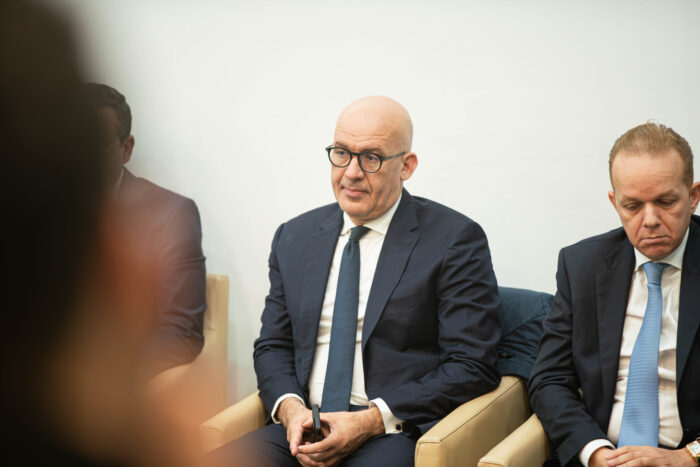
All that’s missing is a government incentive for companies to join this industrial symbiosis dynamic. On this subject, the lawyer points to political voluntarism, and mentions the forthcoming elections, which could change the situation, « if this issue is addressed in the programs of the various parties. »
Integrating informal players
Among the economic and political discussions, Abdellatif Maâzouz was keen to point out a reality within the waste sector: its informal players. « In Greater Casablanca, there are between 5,000 and 6,000 ragpickers working in the collection of certain recyclable products. They collect over 80% of recyclable plastic waste, covering 5 to 10 km a day, » argues the regional president, adding that these people represent a key link in the circular economy value chain.
Maâzouz then points out the importance of integrating these ragpickers into an economy. « Nearly 90% of these people have no medical cover. We need to succeed in integrating them into a more formal, better-organized circuit, so that they can carry out their work with dignity, » he asserts.
Written in French by Salomé Krumenacher; edited in English by AngloMedia Group.


