

With everything Morocco is about to experience in the coming years, there will be room for everyone, including the youngest. But only if they give themselves the means,” warns criminal lawyer Youssef Chehbi.
The approach of the 2030 World Cup, which Morocco will co-host with Spain and Portugal, marks a historic turning point for the kingdom. Between AFCON 2025, major projects, and the massive investments announced, the next five years promise to be absolutely decisive.
To meet the demands of these world-class events, Morocco has unveiled an ambitious infrastructure program. The flagship project? The Grand Stade Hassan II in Benslimane, a colossal undertaking with a total cost estimated at nearly 5 billion dirhams, including 3.2 billion for the construction phase alone.
With its 115,000 seats, the future venue is set to become the largest stadium in the world. Added to this titanic project are the extension of the high-speed rail network, the acquisition of new next-generation trains, and massive investments in hospitality, telecommunications, and renewable energy.
The legal sector in turmoil
“Morocco is truly at a turning point today (…) all the major investment sectors are on the move. And in each of these sectors, companies need to be supported by lawyers”
“Morocco is truly at a turning point today,” summarizes Bassamat Fassi-Fihri, partner and founder of the firm Bassamat & Laraqui in Casablanca. “We are on the eve of the 2030 World Cup. There are a huge number of contracts already underway, particularly in construction and project financing,” she adds.
Faced with this exceptional momentum, the legal sector is experiencing an unprecedented surge in activity. Local firms and international practices alike are vying for their share of the pie. According to her, “all the major investment sectors are on the move. And in each of these sectors, companies need to be supported by lawyers.”
This excitement can be felt even in very recently established firms, such as Sila Law Firm. “I’ve been in Morocco for four years, and from a macroeconomic standpoint, I feel like I’m on the right side of the Mediterranean,” says Pierre Deprez, co-founder and partner of the firm.
His partner, Hajar Benyachou, shares this optimistic outlook: “It’s true that there’s a real buzz around the 2030 World Cup. There’s still so much to build in Morocco, and with this deadline, the country has to accelerate its rise in power.”
The frenzy is reflected in a considerable influx of investment, not only in infrastructure but also in the entrepreneurial fabric. “There is clearly a growing need for legal support, including on the part of multinationals. Everyone is getting ready, and that means more work for law firms,” says Hajar Benyachou.
The big players on the front line
From the moment FIFA officially awarded the 2030 World Cup to the Morocco–Spain–Portugal trio in October 2023, major announcements followed one after another. Sports infrastructure, transportation, energy, tourism… Morocco launched a sweeping wave of modernization. In this context, one of the crucial missions of lawyers is to provide legal security for these large-scale projects.
This means structuring contracts, defining responsibilities, setting deadlines, and anticipating potential disputes. In complex arrangements involving multiple stakeholders, the law becomes a strategic lever: a well-drafted contract can make the difference between a smooth partnership and a project permanently derailed.
Naciri & Associés A&O Shearman Casablanca, led by the influential Hicham Naciri, is a perfect example of this positioning. Born in 2024 from the merger between the Moroccan firm, Allen & Overy, and Shearman & Sterling, this heavyweight in legal consulting is already working on key cases.
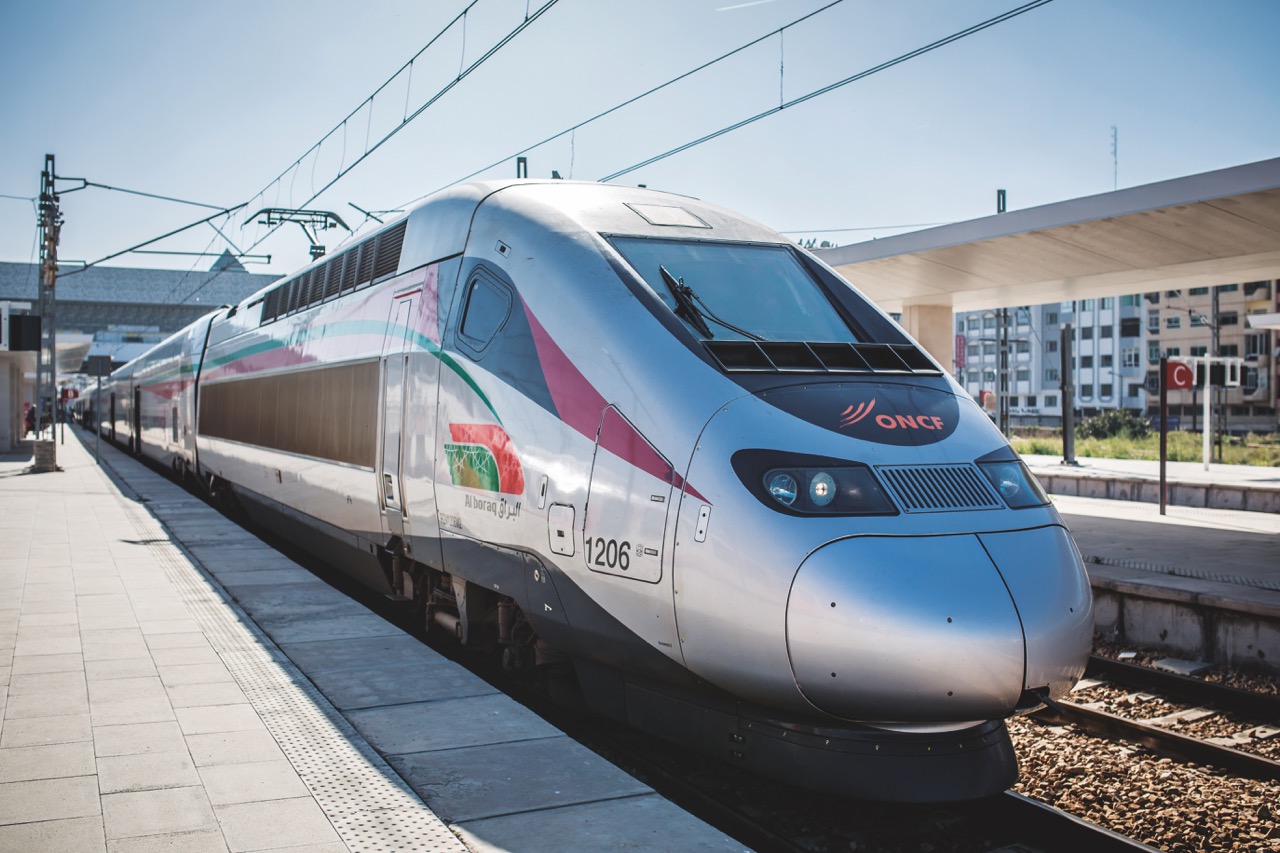
According to the specialized platform Law.com, it is involved, alongside Asafo & Co, in one of the most strategic orders: 29 billion dirhams for 168 new trains, including 18 high-speed trains (LGV), supplied by Spanish manufacturer CAF (Construcciones y Auxiliar de Ferrocarriles), South Korean Hyundai, and French Alstom.
Prestigious mandates at stake
This acquisition is part of the Moroccan rail network modernization program, a fundamental logistical pillar in preparations for the World Cup. While Naciri & Associés A&O Shearman has not officially commented on this mandate, other firms openly claim their strategic role.
This is notably the case for Asafo & Co., which publicly welcomed its involvement last March: “Asafo & Co. is pleased to announce its role as legal adviser to CAF, a global leader in sustainable mobility, in securing a major contract with ONCF.” Led by partner Louis Dubois, the team is assisting Spanish manufacturer CAF with its share of the deal, valued at 600 million euros.
Beyond infrastructure and transport contracts, law firms are also engaged in more institutional matters. The prestigious French firm Gide Loyrette Nouel, already active on the mandate for the future Benslimane stadium, has also advised FIFA on establishing an African branch in Morocco.
Its work covered all legal aspects: due diligence, structuring, negotiation, and drafting of the “headquarters agreement” concluded between FIFA, the Moroccan government, and the Royal Moroccan Football Federation (FRMF).
The battle for Hassan II Stadium
The colossal construction of the Grand Stade Hassan II, which must be completed by the end of 2027, is directly tied to one of the most anticipated decisions: the selection of the stadium that will host the 2030 World Cup final, expected in 2028
Other big names in business law are in the running. The firms Clifford Chance International, led in Casablanca by Mustapha Mourahib, and Garrigues, represented in Morocco by José Ignacio García Muniozguren, have been cited by several Spanish media outlets for advising Iberian companies in their bids for the Grand Stade Hassan II project.
This colossal project, which must be completed by the end of 2027, is directly tied to one of the most anticipated decisions: the selection of the stadium that will host the 2030 World Cup final, expected in 2028.
In this race against time, the legal stakes are considerable given the tight deadlines and the specificities of Moroccan public procurement law. All the more so as Morocco must convince FIFA to award it the final over two Spanish giants—the Santiago Bernabéu in Madrid and Camp Nou in Barcelona—also in contention.
Lawyers translate technical and political ambitions into solid legal commitments, becoming true contractual architects
In this battle for lucrative contracts, companies now systematically surround themselves with specialized law firms. Behind each call for tenders lies a complex legal framework: regulatory standards, sensitive negotiations, and financial risks to be managed. Lawyers translate technical and political ambitions into solid legal commitments, becoming true contractual architects.
Among these well-established firms, the Spanish firm Garrigues has carved out a prime position. Present in Casablanca since 2005, it specializes in supporting cross-border operations and offers its mainly international clients services in several languages.
“Just look at Casablanca or Tangier: new hotels open almost every month”
With nearly 2,200 staff in 12 countries, Garrigues operates in all strategic areas of business law: commercial, tax, real estate, labor, foreign exchange control, administrative, and public procurement law. “Our role is to support companies in their establishment, development, and operations in Morocco,” summarizes partner José Ignacio García Muniozguren.
Asked about Garrigues’ involvement in projects related to the 2030 World Cup, the lawyer answers without hesitation: “Absolutely, we’re on it.” According to him, two sectors stand out in particular: infrastructure construction and hospitality. “Just look at Casablanca or Tangier: new hotels open almost every month,” he notes.
The challenges ahead
While the outlook appears promising, legal risks remain ever-present. “Investors must first seek high-quality professional advice. It may seem obvious, but in practice, it’s not always the case,” warns José Ignacio García Muniozguren.
The main danger lies in the temptation to dive in without proper legal support. “You can’t carry out a project in a foreign country without solid knowledge of the field, nor without understanding the local regulatory framework,” he insists.
For Omar Sayarh, managing partner at Dentons Morocco, the 2030 World Cup only amplifies an already ongoing dynamic. “We’re entering a decade marked by major works, not just for the World Cup, but also as part of a broader development strategy,” he says.
The lawyer identifies several strategic sectors: rail, ports, airports, and also mega-projects for seawater desalination. “We’re seeing the state take the lead in investing massively in infrastructure, or encouraging the private sector to do so, notably through the launch of calls for tenders,” he points out.
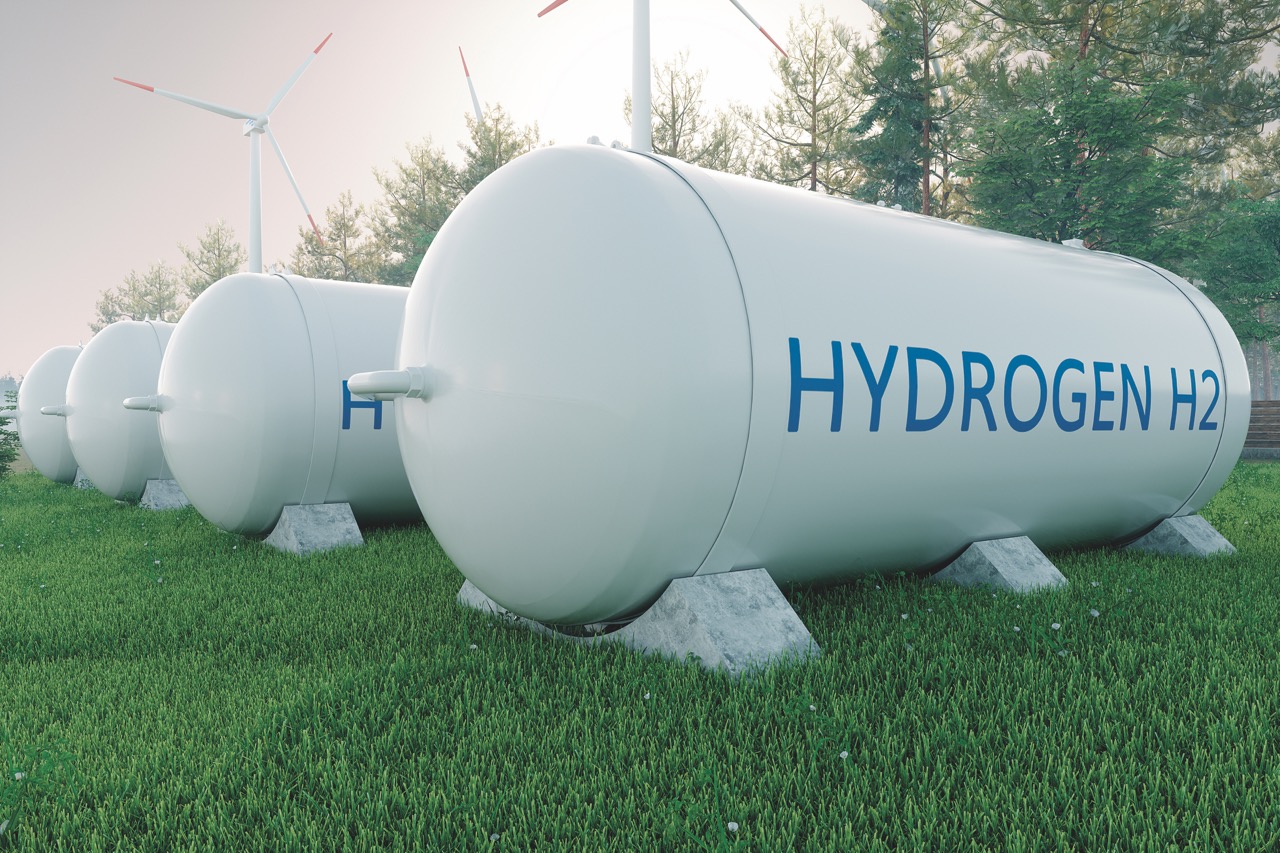
Beyond sports and tourism infrastructure, other sectors are heating up, notably industry driven by the arrival of Chinese investors. The energy sector, particularly renewable energy, is another major lever. “Green hydrogen is generating real excitement. Morocco has allocated one million hectares to these projects. Five major operators, including Total and Engie, have already been selected, and about thirty others are waiting,” he details.
“In energy, there are still fantastic things to be done that haven’t even been tapped yet,” notes Kamal Nasrollah, managing partner of Nasrollah & Associés – Baker & McKenzie. “A young man or woman who specialized in green hydrogen would have fascinating work for years,” he adds.
Despite this enthusiasm, caution remains essential to avoid “disappointments” like those experienced by some foreign investors. “Now, things are gradually getting back on track. There is real excitement for the kingdom, and it is up to Moroccan lawyers from all backgrounds to know how to seize it,” concludes Kamal Nasrollah.


