

When PAM deputy Ahmed Touizi accused certain mills at the end of October of “grinding paper” and diverting 16 billion dirhams in subsidies, he merely inflamed an already heated issue. His statements then triggered a political and media outcry and put a previously discreet sector under the spotlight, even as judicial investigations targeting several operators were already underway. In a matter of days, national soft-wheat flour, a sensitive pillar of food security, became the subject of a national debate on transparency and regulation.
But the problem runs deeper. Long before this controversy, the Competition Council had taken up the milling market on its own initiative to examine a sector weakened by structural dependence on wheat imports, chronic overcapacity, a fragmented market, and subsidy mechanisms unchanged for decades.
The objective, it explains in an opinion made public on Monday, December 8, is to assess actual competition, measure the effectiveness of public mechanisms, and propose reforms capable of strengthening the country’s food sovereignty. It is in this context, between short-term tensions and structural vulnerabilities, that its analysis takes shape. And while the state’s support policies have helped stabilize prices, the Council now highlights their limits in the face of climate challenges and growing food-security requirements.
Volume rather than quality
The Moroccan regulatory framework pursues a threefold objective: protecting national production, ensuring a stable supply, and maintaining an environment of free competition. However, the current system is no longer adequate. Morocco’s heavy dependence on imports, intensified by unfavorable climatic conditions and geopolitical crises such as the Russia–Ukraine war, exposes the sector to global price volatility.
Cereal productivity, although up 42% between 2003 and 2019, remains “well below international standards,” the Council notes in the report. The reference price for soft wheat, kept “within a narrow range of 270 to 300 dh/Ql,” does not allow quality production to be properly valued. The result: farmers prioritize volume over quality, forcing mills to turn to international markets.
The sector is also marked by “lasting structural overcapacity,” with milling capacity significantly exceeding real demand. This situation stems in part from subsidy policies, notably the National Soft Wheat Flour (FNBT) program, which encouraged the excessive opening of mills.
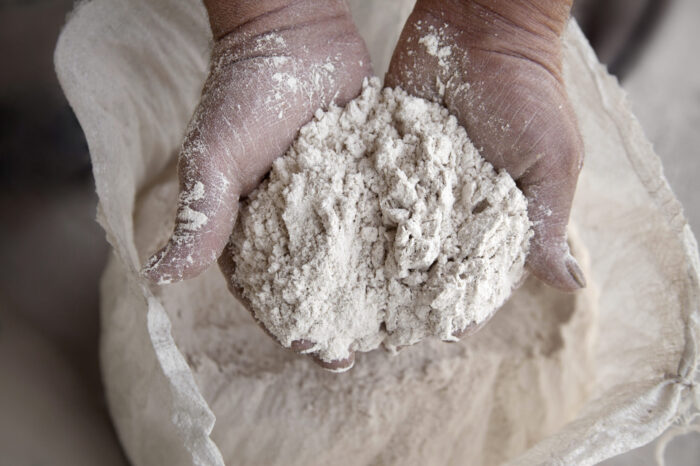
Market concentration varies considerably by region. Some areas show an “almost total absence of competition,” while others have a more balanced distribution. This fragmentation limits the ability of small operators to influence the market, although it does encourage a diversity of actors.
Subsidies and distortions
The Council points to a subsidy system that, while it has stabilized prices, generates harmful side effects. In 2022, importers captured nearly 85% of the mobilized aid, while support for farmers saw a significant decline. This concentration of subsidies on importation and processing “tends to dampen the incentive for innovation” and creates dependence among milling companies on the state.
Food waste is another major challenge. The production of subsidized bread increased by nearly 37% between 2019 and 2024, at times exceeding actual demand and leading to “overconsumption and increased disposal of unsold bread.” The Council also notes that a major bias persists in the subsidy of free-market flours, which indirectly benefits luxury products such as pastries and specialty breads.
In light of these findings, the opinion calls for a re-evaluation of the support model to “ensure a more equitable distribution between the different links in the value chain,” while strengthening the resilience and autonomy of national production. The document stresses that the “significant budgetary burden” could become unsustainable in the long term, in a context of growing fiscal pressures.
Toward a reform of the sector
To address these challenges, the Competition Council proposes a series of recommendations structured around three pillars: the cereal sector, the milling market, and the subsidy system. Concerning cereal production, the opinion calls for a “structural reform of the upstream milling segment” focused on sustainably improving yields. Among the priority levers is the adoption of a tax reform facilitating the rental of agricultural equipment rather than its purchase, particularly suited to operators with limited means. The Council also stresses the need to place research and development “at the heart of public policies,” notably to develop drought-resistant varieties.
On a strategic level, the document calls for “structuring choices” to clarify the country’s capacity to achieve food self-sufficiency. It recommends identifying territories where cereal development remains viable and those where a shift toward water-efficient crops would be more appropriate. Optimizing water use becomes a priority, incorporating an “economic trade-off between the cost of mobilizing water for cereals and the cost of importing them.”
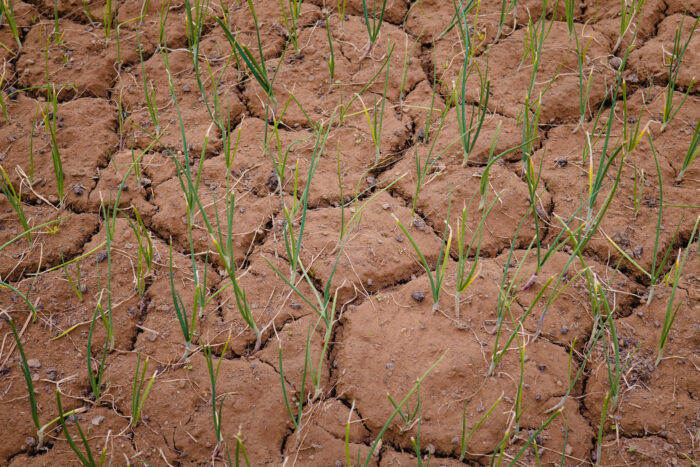
Strengthening strategic storage constitutes another major pillar. The opinion recommends increasing capacities beyond routine needs in order to maintain substantial security stocks. It also emphasizes that it is “imperative” to rapidly adopt the planned decree specifying the procedures for establishing these stocks, in accordance with Law 12-94.
Reorienting the sector toward export
For the milling market itself, the Council recommends a complete revision of the legal and regulatory framework. This overhaul would aim to optimize state intervention and prevent current mechanisms from “hindering healthy competition” or weighing on public spending.
In response to chronic overcapacity, the opinion recommends redirecting surplus production toward export, drawing inspiration from the Turkish model. Mills are encouraged to develop specialty flours and high value–added processed products, particularly for sub-Saharan Africa, where demand for cereal products is expanding. Developing differentiated products such as organic, gluten-free, or fortified flours would present an opportunity to position the industry in more profitable niches. A territorialized management of production capacities is also recommended, similar to the French model, in order to balance supply and demand on a national scale.
The most sensitive component concerns the reform of the subsidy system. The Council recommends a gradual transition “from a system of generalized subsidies to a model based on targeting and direct aid.” This approach aims to ensure that state support truly benefits the populations who need it.
Limiting waste
Concretely, this would involve replacing the current indirect subsidy with direct assistance to low-income households, in line with Law 09-21 on social protection. This approach would “limit waste” and ensure that public aid benefits only households facing hardship.
The opinion also recommends making subsidies conditional on performance and productivity criteria, by establishing a differentiated system that rewards actors who adopt efficient and sustainable practices. The Council highlights the need to direct more aid “toward the upstream milling segment” to encourage the use of local production, rather than concentrating 85% of support on importers.
Finally, to ensure the effectiveness of these reforms, the document stresses the strengthening of transparency and governance, notably through the integration of digital monitoring tools and the establishment of rigorous control mechanisms to prevent misuse. Modernizing ONICL’s databases and creating a digital price-monitoring platform are among the recommended measures to improve the sector’s traceability and transparency.
Written in French by Ghita Ismaili, edited in English by Eric Nielson


