

Type 2 diabetes is progressively establishing itself as one of Morocco’s main health challenges. Fueled by dietary changes, sedentary lifestyles, and the rise in overweight, its progression concerns health authorities as much as researchers. In this context, any avenue likely to improve the prevention or management of the disease attracts attention.
It is precisely from this perspective that a team of Moroccan researchers has examined solutions drawn from everyday life. Their work, recently published in the indexed scientific journal Journal of Functional Foods, explores the potential effects of certain spices widely used in Moroccan cuisine on blood sugar regulation in people with type 2 diabetes.
Conducted notably by Mohamed Sbahi and his colleagues at Cadi Ayyad University in Marrakech, this scientific review draws on the analysis of numerous clinical and experimental studies and meta-analyses published between 1990 and 2025. The objective is to « provide an overview of the knowledge on the possible role of these food plants as a complementary approach to conventional treatments, » the study reads.
A chronic disease in sharp progression
In Morocco, the prevalence of diabetes has been continuously increasing for two decades. According to the data compiled in the study, it rose from about 6.6% in 2000 to more than 10% in 2018, reaching nearly 13.8% in 2021, before falling to 11.9% in 2024.

The researchers also recall that approximately 2.9 million Moroccan adults are said to be affected by this pathology, with a significant proportion of undiagnosed cases. This reality reinforces the need to improve prevention and blood sugar control strategies, particularly through suitable nutritional approaches.
Diabetes management today relies on a combination of drug treatments, physical activity, and dietary adjustments. However, « therapeutic objectives are not always achieved, which explains the growing interest in complementary medicines, including plant-based products or functional foods, » the researchers specify.
Ginger, saffron, cumin, turmeric, and coriander under the microscope
In their review, the researchers selected five spices particularly present in traditional Moroccan recipes: ginger, saffron, cumin, turmeric, and coriander. Their choice is based on their frequency of use in emblematic dishes such as tajine and harira.
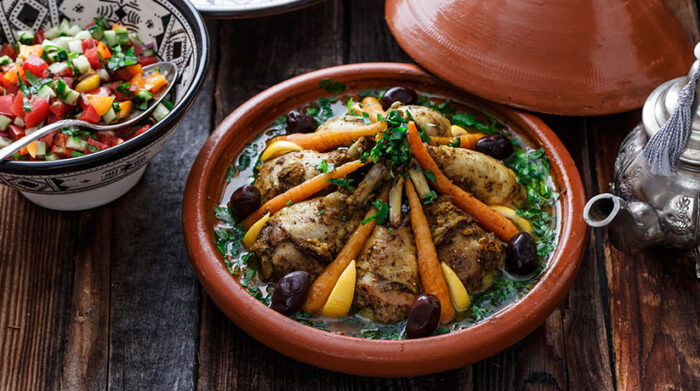
The analysis of existing scientific work suggests that these spices contain bioactive compounds likely to act on several metabolic parameters. Among them are fasting blood sugar, glycated hemoglobin, insulin resistance, and the lipid profile.
The authors emphasize that these effects would be linked notably to the antioxidant and anti-inflammatory properties of these substances, but also to their potential capacity to modulate certain biological mechanisms involved in glucose absorption or insulin secretion.
Variable but promising clinical results
Regarding ginger, several clinical trials indicate a significant reduction in glycated hemoglobin and fasting blood sugar in supplemented diabetic patients. A meta-analysis cited by the researchers notably reports an average decrease in blood sugar and an improvement in insulin sensitivity.
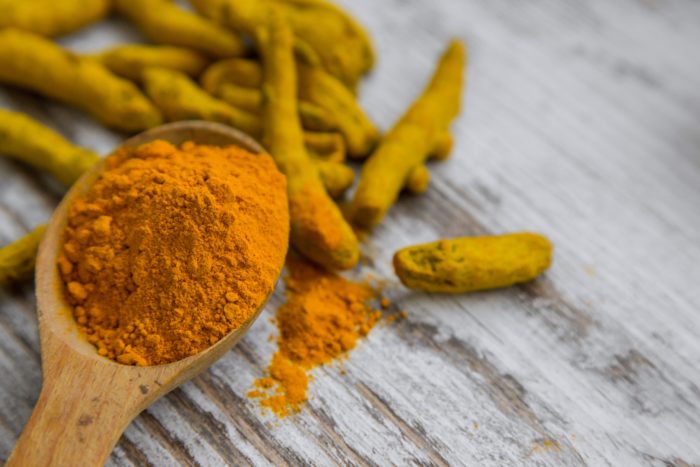
Turmeric, for its part, appears in several studies to be capable of improving the function of pancreatic beta cells and reducing certain metabolic markers linked to diabetes. Long-term clinical trials show an improvement in blood sugar and the insulin resistance index in patients treated with curcumin.
As for saffron and cumin, the clinical data analyzed also suggest positive effects on blood sugar, inflammation, or certain cardiovascular parameters. However, the results remain heterogeneous depending on the doses, the duration of the trials, and the profiles of the participants, the authors emphasize.
Traditional diet as a lever for prevention
Beyond biological mechanisms, the study highlights the importance of the link between culinary heritage and public health. The spices studied are not exotic or hard-to-access supplements: they are an integral part of daily Moroccan cooking.
This proximity could constitute an asset in nutritional prevention strategies. By promoting a balanced traditional diet rich in natural ingredients, it would be possible to act indirectly on certain risk factors for diabetes and metabolic diseases.
The researchers also evoke the notion of synergy between these spices, often used together in recipes. They consider that it would be relevant to study their combined effects under conditions close to actual consumption, particularly by taking into account cooking methods.
Between scientific hopes and medical caution
Despite encouraging results, the authors insist on the need to remain cautious. The available scientific evidence varies in quality and robustness depending on the plants studied, and some data still come from animal experiments or small-scale trials.
They recommend conducting additional clinical research in order to confirm the real efficacy of these spices, identify optimal doses, and better understand their interactions with conventional antidiabetic treatments.
Pending these confirmations, these ingredients therefore cannot be considered substitutes for medical treatments. They could nevertheless be part of a comprehensive approach to prevention and nutritional support, provided they are integrated into a healthy lifestyle.
Written in French by Younes Saoury, edited in English by Eric Nielson


