

After years of devastating drought, Morocco has been experiencing exceptional rainfall for several weeks. While these rains are a breath of fresh air for the agricultural sector, they are a disaster for certain northern provinces where tens of thousands of hectares are now submerged.
« After six years of drought, we have had very heavy rainfall, which bodes well for agriculture,« says Rachid Benali, president of the Moroccan Confederation of Agriculture and Rural Development (Comader), speaking to TelQuel. The benefits are manifold and affect all sectors. Livestock farming benefits from abundant vegetation cover, which significantly reduces costs for farmers by limiting purchases of imported feed and barley. Arboriculture benefits from optimal natural watering, reducing irrigation needs.
For Mohammed Bazza, an international water expert, agriculture is « undeniably the biggest beneficiary of rainfall. »He explains that these rains first bring « free green water from the sky that is stored in the topsoil » and accounts for up to 60% of precipitation, then « blue water from dams » for irrigation. This year, he says, « there should be no shortage of irrigation water. »
Beyond the immediate impact, it is the replenishment of water resources that is the real long-term benefit. « For groundwater, this is an extraordinary situation, « Rachid Benali points out. Dams are gradually filling up and heavy snowfall is reinforcing this dynamic: « the snow melts slowly, gradually seeping into the ground and directly contributing to the recharge of groundwater.« These benefits will be felt for several years to come.
Excess water, another side
But the excess rainfall quickly revealed its downside. In Gharb and Loukkos, strategic agricultural regions in the north, the situation has turned into a disaster. « Tens of thousands of hectares are covered with water, » Rachid Benali bitterly notes after visiting the area. The combination of torrential rains and rising sea swells complicates the evacuation of water in these low-lying, flat areas, located almost at sea level.
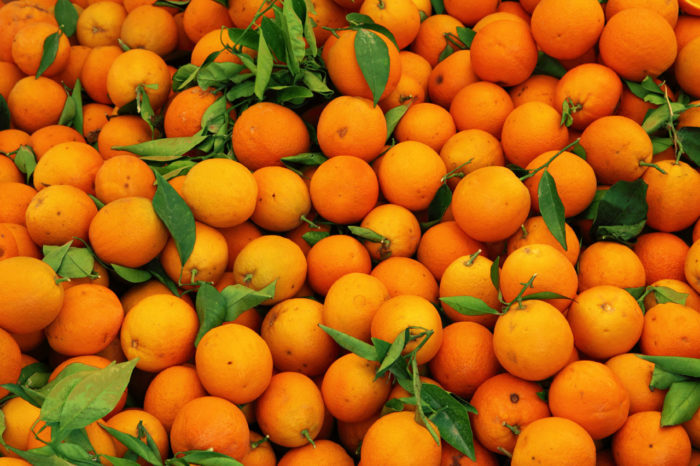
For the field crops, cereals, and legumes that provide a livelihood for more than a million farmers,« it’s already a lost cause, that’s clear,« says the president of Comader. But it is now arboriculture that is causing the most concern. According to him, more than 10,000 hectares of high-quality citrus fruits are flooded. « If the water stays for just a few days, less than a week, it might still be okay. But if it stays for several weeks, the trees could suffocate: the roots could rot, and that would be a real disaster, » he warns.
Bazza confirms that « several fields have been destroyed by the water, some irreversibly.« He also notes significant soil erosion, « both in the Lower Sebou but also and especially in the Upper Sebou, the Loukkos, the Tangier region and the small Mediterranean basins,« with landslides and mudslides affecting homes and requiring the evacuation of residents.
Red fruits, a sector at a standstill
The red fruit sector, the flagship of Moroccan exports, is going through a period of turbulence. Amine Bennani, president of the Moroccan Association of Red Fruit Producers, paints an alarming picture. Although the areas of Laouamra and Moulay Bousselham were not directly flooded by the Oued Loukkos, « the amount of water that fell was such that today the land is waterlogged, » he explained to us on February 3. Between 15 and 20% of farms are affected, with some plots literally submerged in water.
When contacted again a week later, his assessment had become even more pessimistic. « The situation is only getting worse with the rains recorded last weekend, « he lamented. Material damage is mounting: plastic sheeting has been torn off and metal structures broken. And the labor shortage is further crippling the sector. Workers from Ouezzane and Ksar El Kebir, the disaster-stricken regions, have been relocated to other, safer cities.
The economic consequences are immediate. « Today, we are no longer able to honor our commitments, either to our suppliers or to our customers, » laments Amine Bennani. The sector was counting on sales to collect payments and pay suppliers, but this has not been possible. « Unfortunately, we will not be able to meet our commitments, « he admits, referring to both European customers and the Moroccan market as Ramadan approaches. Increased humidity also create fungal diseases, such as botrytis, further threatening production.
Underlying costs
Beyond the direct losses, torrential rains lead to considerable indirect costs. Heavy rainfall washes fertilizers deep into the soil, reducing their effectiveness. « This means that more fertilizer has to be added, which is much more expensive, « explains Rachid Benali, who points to a structural economic imbalance: while the price of a quintal of wheat has remained stable at around 220 to 260 dirhams for forty years, the price of a quintal of nitrogen fertilizer has risen from less than 100 dirhams to 420 dirhams today. That’s a fourfold increase.
Irrigation infrastructure has not been spared. « Irrigation systems, pipes, drip systems, ground installations, etc., are covered with water and mud, « says the president of Comader. The equipment is clogged, damaged, sometimes out of order, and will have to be replaced.
Faced with the extent of the damage, the agricultural community is now waiting for official recognition. « It is too early to comment on requests for aid or measures to be sought from the government. We must first accurately assess the extent of the damage, « says Rachid Benali, while affirming that support will be essential. « These are not losses related to drought, they are losses due to flooding, meaning total destruction of crops, and in some cases even irrigation systems. It is a disaster in the true sense of the word, « he laments.
Written in French by Ghita Ismaili; edited in English by AngloMedia Group.


