

It took three and a half years for around forty new Moroccan import standards to be adopted, while about twenty existing standards—affecting several sectors, including chemicals and petrochemicals, automotive, and textiles—have been updated.
These standards, which cover a wide range of industrial products, from automotive spare parts to construction materials, as well as gas-powered equipment, electrical devices, clothing, and paints, were originally supposed to be implemented in June 2021. This deadline was set for no later than six months after the publication of a decree in December 2020 by the Ministry of Industry, Trade, and Green and Digital Economy, then headed by Moulay Hafid Elalamy, which made them mandatory.
Caught off guard
But these regulations remained unenforced… until the beginning of 2025. Their sudden implementation caught operators off guard and disrupted the supply chain for some industrial players. “We knew these standards existed, but after three years of waiting for their actual enforcement, we ended up forgetting about them. Their rollout was abrupt, and we were unprepared, which disrupted our operations,” lamented an industrialist in the metallurgy sector to TelQuel.
He explained that this has led to delivery delays in factories due to the time required to obtain the necessary certifications for customs clearance. The imposed certifications and testing have also resulted in unforeseen additional costs, reducing industrialists’ profit margins and straining their financial stability.
When TelQuel inquired about the delay in implementing the new import standards and the reasons for their enforcement at this specific time, the Ministry of Industry and Trade declined to comment on the situation.
Prioritizing « Made in Morocco »
While some industrial players are frustrated by the introduction of these new standards, others welcome the stricter controls, believing they will protect local industry from foreign competition and enhance the credibility of Moroccan products.
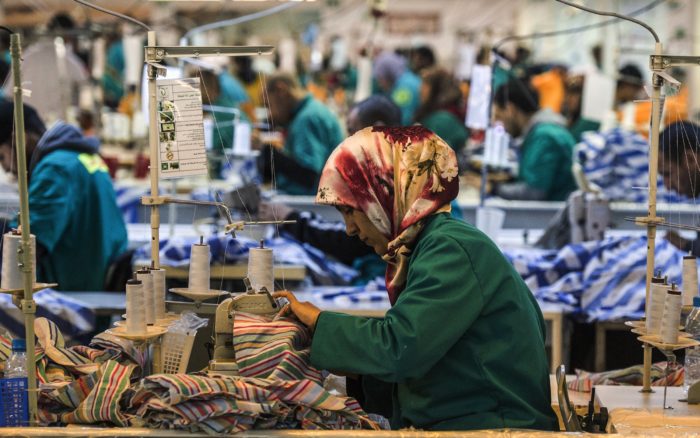
“We welcome the implementation of the new Moroccan import standards, as is the practice in all self-respecting countries. From a sovereignty perspective, it is essential for the country to establish standards to protect consumers, safeguard public health, and ensure the quality of products used within the territory. These standards apply both to local industries and imported products, and that is a good thing,” said Abed Chagar, president of the Federation of Chemistry and Petrochemistry (FCP).
“Morocco has chosen to prioritize its local industry (…), which helps create sustainable jobs and stimulate the national economy”
For this industrialist, strengthening border controls would better protect “Made in Morocco” from competition with foreign products, which in some cases benefit from subsidies and dumping practices, while also ensuring that imported goods meet the same standards as local products. “Morocco has chosen to prioritize its local industry, in line with the industrial sovereignty policy defined by His Majesty the King, and we can only applaud this decision. It is this industry that creates sustainable jobs and stimulates the national economy,” emphasized Abed Chagar.
Adapting to market needs
The same perspective is shared by Mohamed El Housni, president of the Interprofessional Automotive Group in Morocco (Groupement Interprofessionnel de l’Automobile au Maroc, GIPAM), who believes that the new import standards can only serve to protect local industry. “Our association includes most of Morocco’s importers and distributors of spare parts, as well as some manufacturers. To date, we have not received any complaints regarding the implementation of the new import standards. These measures prevent cheaper but lower-quality products from flooding the market, which can only be beneficial.”
However, the GIPAM president acknowledges that some standards may negatively impact professionals due to their misalignment with market needs. He emphasizes the importance of maintaining an ongoing dialogue with industry stakeholders to protect the interests of all players.
“We have already contacted the Ministry of Industry to request a revision of a new standard for filters, as it rendered most imported products non-compliant, despite their necessity in the market. We are currently in discussions with Imanor (the Moroccan Institute for Standardization) to make the necessary adjustments,” he explains.
Conquering the world
For the president of the FCP, who is also the CEO of the Moroccan paint company Colorado, strengthening quality controls at the borders can also enhance the competitiveness of Moroccan products for international exports, especially since local production capacities allow for it.
“Companies like Colorado export to about twenty countries in Africa and several in Europe. Exporting requires competitiveness in both price and quality, and today, Moroccan manufacturers can offer both. No paint manufacturer has increased prices for at least three years, and our production capacities allow us to meet the needs of the local market as well as those of our international clients, in line with the highest standards,” emphasizes Abed Chagar.
He concludes: “It is essential to prioritize the unrestricted import of products that are not manufactured locally. However, finished products must be subject to the same requirements imposed on the national industry. Additionally, it is crucial to verify—just as is done for several products—whether imported goods, which sometimes flood the Moroccan market, benefit from subsidies that violate international agreements.”
Written in French by Safae Hadri, edited in English by Eric Nielson


